Daily Worn — Vol.1
A Study of Wear
Make it stand out
Whatever it is, the way you tell your story online can make all the difference.
most clothes are shown.
these are simply worn.
Most fashion imagery is built around control — styling, composition, and outcome.
It presents clothing at its most resolved.
But that version is rarely how clothing exists.
Whatever it is, the way you tell your story online can make all the difference.
At h./label, this series is developed as an ongoing study of how garments move through everyday conditions — shifting, adapting, and settling without instruction.
They are adjusted unconsciously, worn without pause, and rarely held in a fixed form.
Daily Worn focuses on that reality.
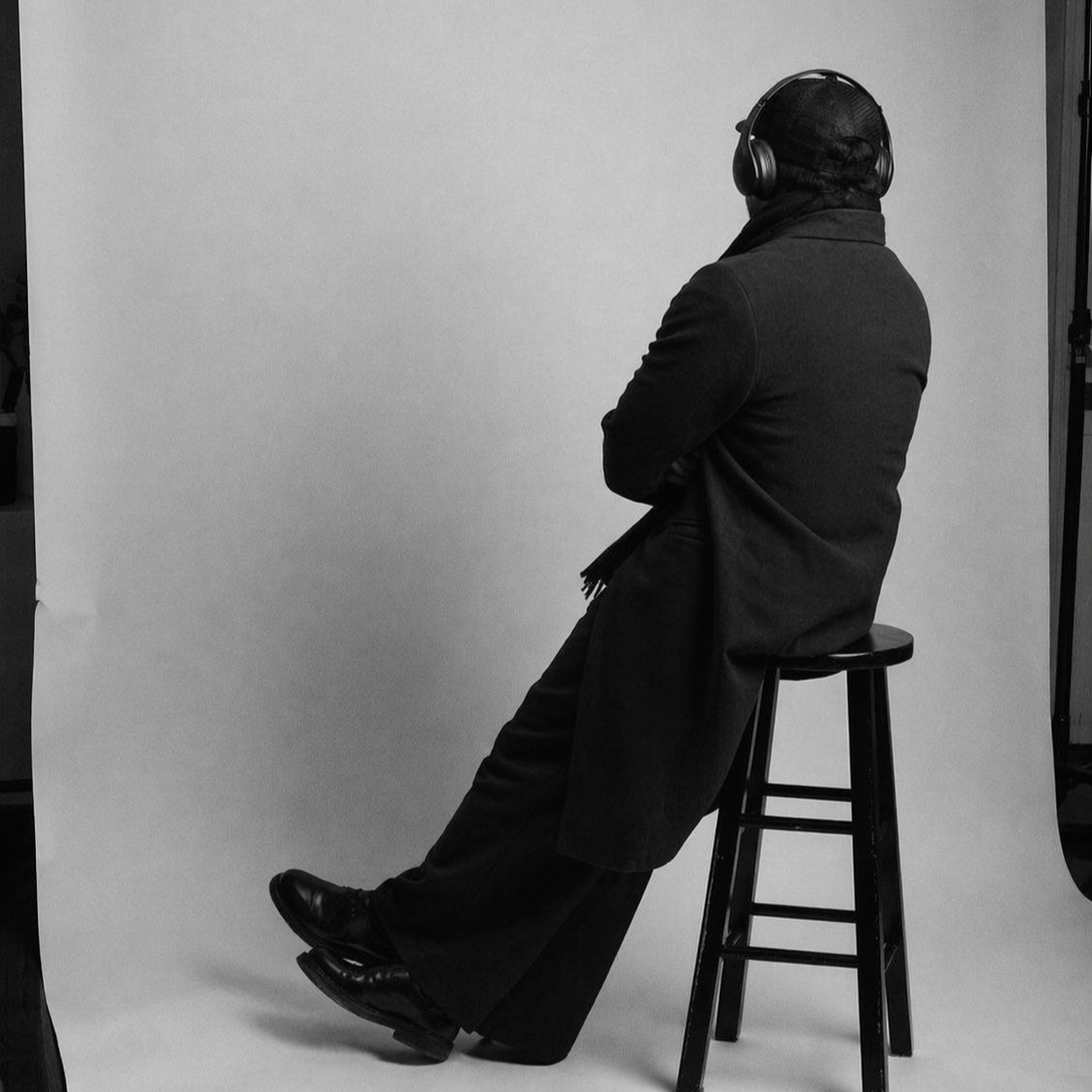
Tommy - Founder & Creative Director h./label
The series is initiated and directed by Tommy, founder and creative director of h./label, as part of a broader exploration into how clothing is experienced beyond presentation.
Not as a finished image, but as something lived in.
“Clothing becomes more honest when it’s no longer being presented.”
— Tommy
The emphasis is not on creating a look, but on observing how a piece holds its structure, proportion, and presence in use — across movement, stillness, and transition.
The casting reflects that approach.
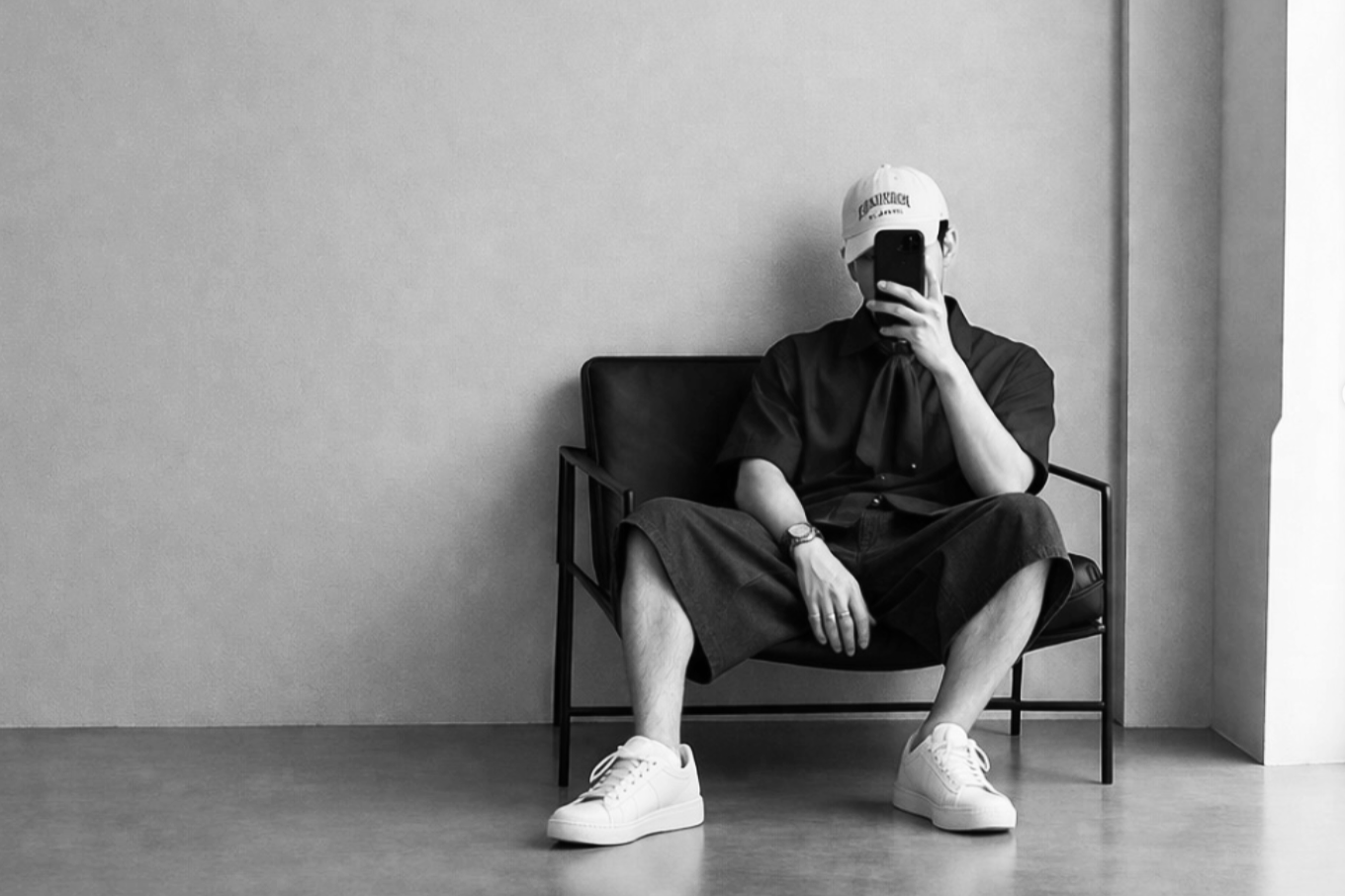
We work with individuals who are not positioned as personalities or figures of influence, but as people with an existing relationship to how they dress. In many cases, they are not creators or models.
That distinction matters.
Because the relevance of clothing is not defined by who is seen in it, but by how naturally it integrates into their life.
This also challenges a common hierarchy in fashion.
Clothing is often validated through visibility — who wears it, where it is seen, and how it is framed.
Here, that logic is removed.
A garment does not gain meaning through exposure.
It gains meaning through use.
Visually, the series remains restrained.
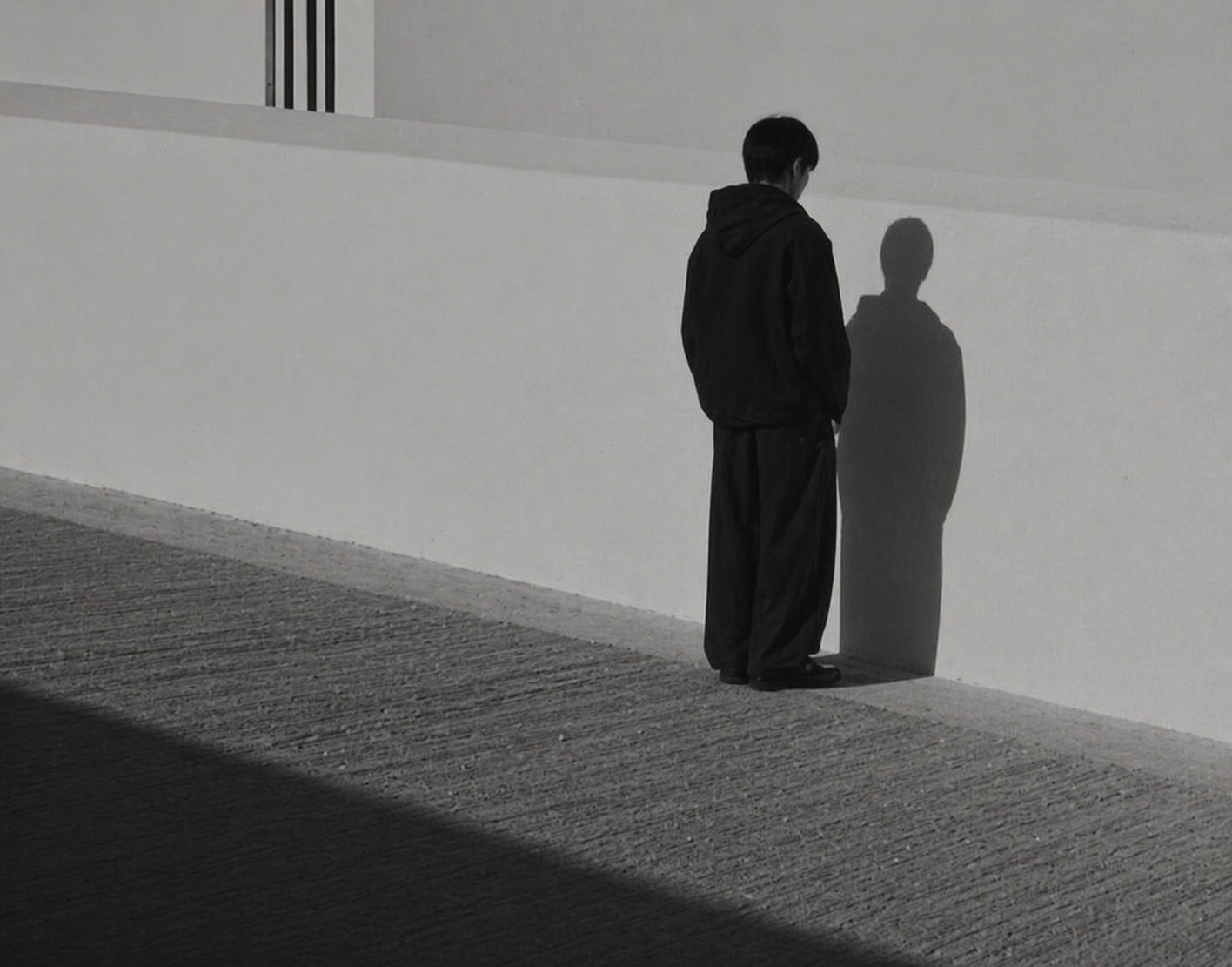
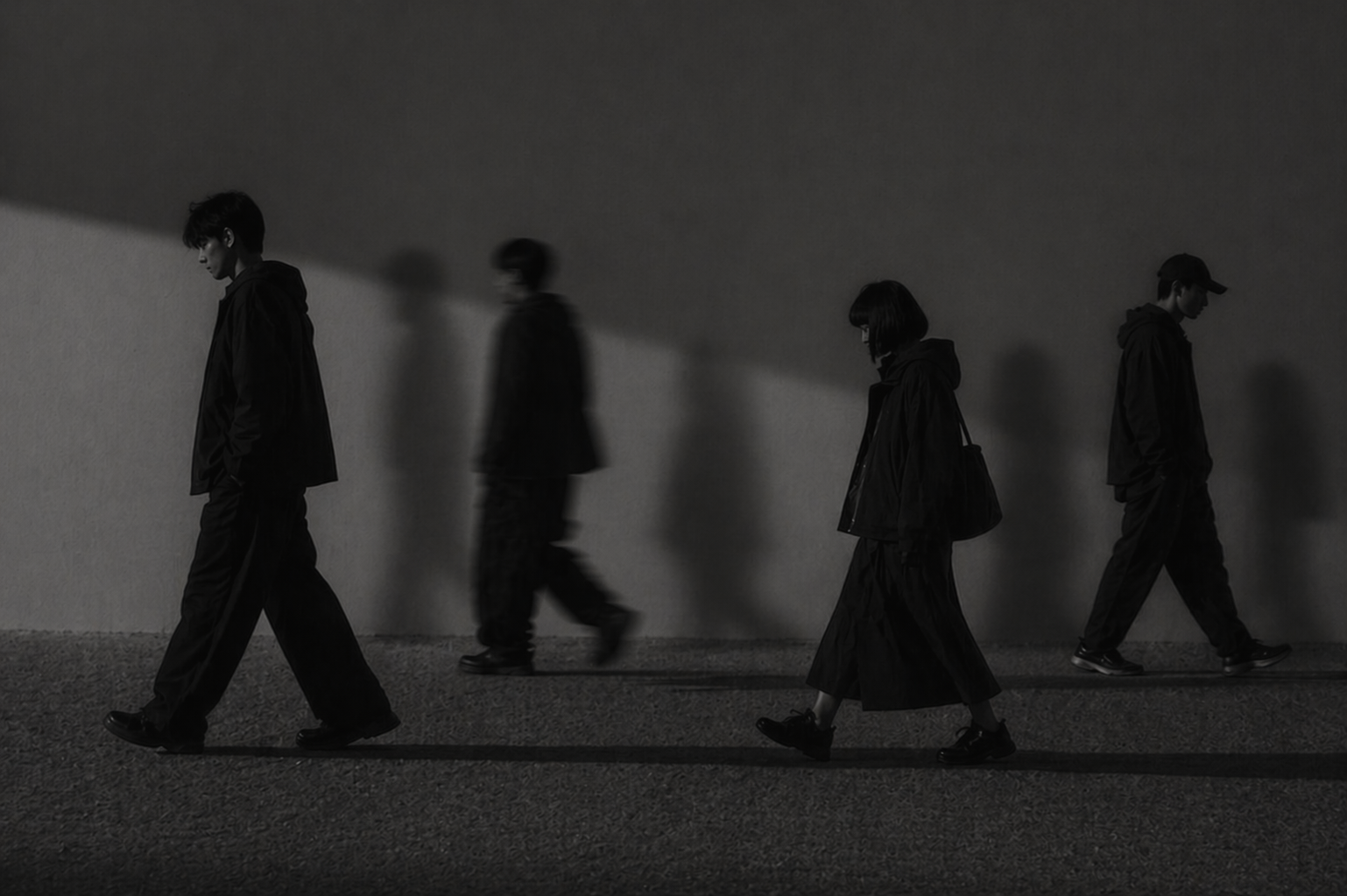
Moments are captured as they occur: walking through a corridor, adjusting a sleeve, pausing between spaces. The camera does not direct the action; it follows it.
The environment is deliberately neutral — concrete, soft light, minimal structure — not to create atmosphere, but to remove distraction.
What remains is a closer reading of the garment in use —
how silhouette holds or shifts in motion,
how proportion changes under real conditions,
how fabric responds to the body rather than to direction.
Clothing, here, is not separated from life.
It moves with it.
Worn in real life.