Why Do Some Clothes Look Better on You Than on the Hanger?
On silhouette, proportion, and the difference between seeing a garment and wearing it.
There is a familiar moment in a clothing store.
You notice a shirt on a hanger. Nothing particularly catches your eye. The shape seems ordinary, the details unremarkable. You might even walk past it without giving it a second thought.
Then, for one reason or another, you decide to try it on.
Suddenly, something changes. The shoulders sit differently than you expected. The fabric falls into place. The proportions make sense. What looked like an ordinary shirt a moment ago becomes something you can actually imagine wearing.
You look in the mirror and think, Wait, this is actually good.
It happens more often than we might realise. And it raises an interesting question: were we wrong about the garment, or were we simply looking at it the wrong way?
A hanger can only tell you so much
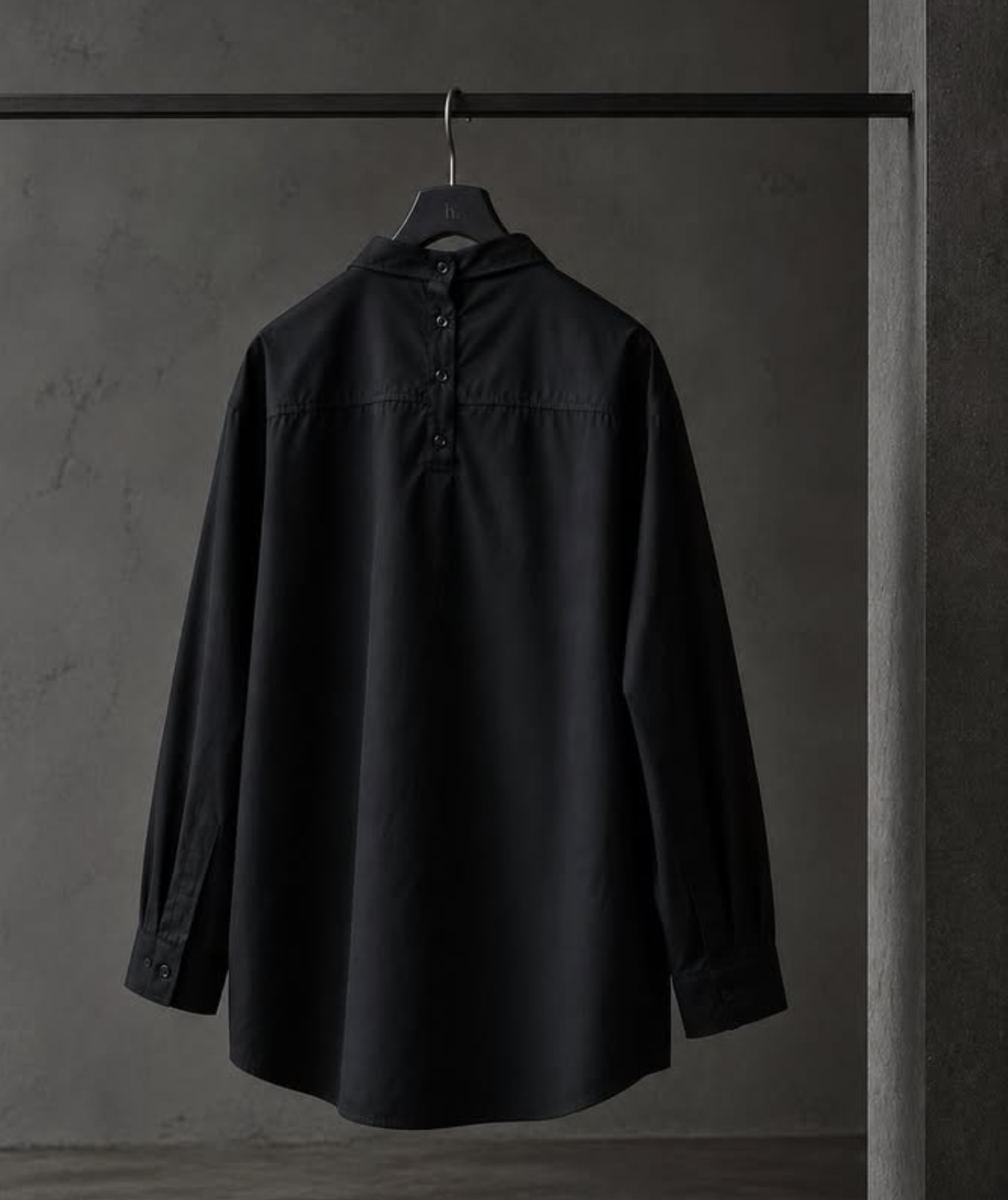
A garment on a hanger is, in many ways, an incomplete picture.
It shows you the outline of a piece, its colour, its visible details and, to some extent, how its fabric behaves under its own weight. But it cannot fully communicate how that garment will interact with a body.
A shirt designed with a relaxed shoulder, for example, may appear oversized in a way that feels difficult to interpret when it is hanging by itself. On a person, that same shoulder line might create a deliberate silhouette. A longer shirt may seem awkward when viewed in isolation, yet establish a more balanced proportion when paired with the right trousers.
The garment has not changed. The context has.
This is particularly true of contemporary clothing, where the intended shape is not always the shape we have learned to recognise as conventional.
We are accustomed to certain visual expectations: where a shoulder should sit, how long a shirt should be, how closely trousers should follow the leg. When a garment departs from those expectations, it can initially look unfamiliar rather than interesting.
Trying it on allows us to see the relationship between those elements, rather than judging each one separately.
The body is part of the design
We often talk about clothing as though its shape exists independently of the person wearing it.
We describe a shirt as oversized, a trouser as wide, a jacket as structured. These terms are useful, but they only tell part of the story.
A silhouette is the result of a relationship between the garment and the body.
Shoulder width influences how a sleeve falls. Torso length changes where a hem sits. The volume of a trouser interacts with the wearer's proportions and the shoes beneath it. Even the way someone stands can change how a garment appears.
This is why the same piece can look noticeably different on two people without either wearing it incorrectly.
It also explains why a garment that appears excessive on a hanger might feel entirely natural once worn. Its volume has somewhere to go. Its proportions become relative to something. The shape begins to make sense as part of a whole.
The body does not simply fill the garment. It helps reveal the design.
Why unfamiliar shapes can be difficult to judge
Part of the problem is familiarity.
We develop expectations about how clothing should look through years of seeing it worn, photographed and styled. Certain proportions become familiar enough that we stop questioning them. Others feel unusual simply because we encounter them less often.
When we see an unfamiliar silhouette on a hanger, we have little information to help us imagine how it will look in practice.
A wider trouser might appear too voluminous. A boxier shirt might seem to lack shape. A design detail placed somewhere unexpected might look unnecessary.
But once the garment is worn, those same elements can acquire a different meaning. Volume can create balance. A straighter cut can establish a cleaner line. An unexpected detail can become the feature that makes the piece distinctive.
None of this means that every unusual design works, or that every garment deserves a second chance. Sometimes a piece simply does not suit our preferences.
The point is that unfamiliarity and poor design are not the same thing.
Sometimes, we reject a shape because it does not work for us. Other times, we reject it because we have not yet seen what it can do.
Knowing the difference takes more than a glance.
The details you cannot fully see
The same principle applies to details.
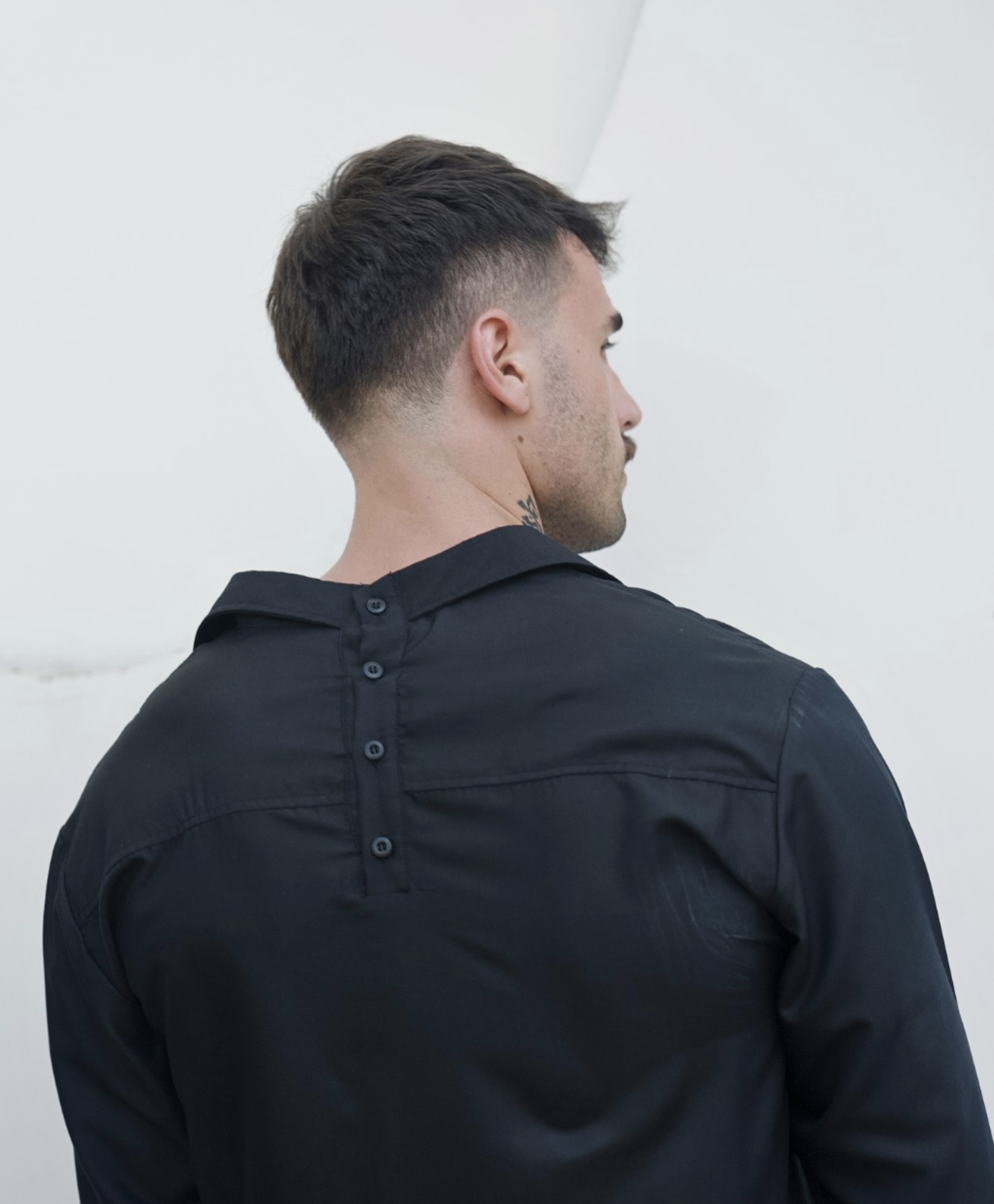
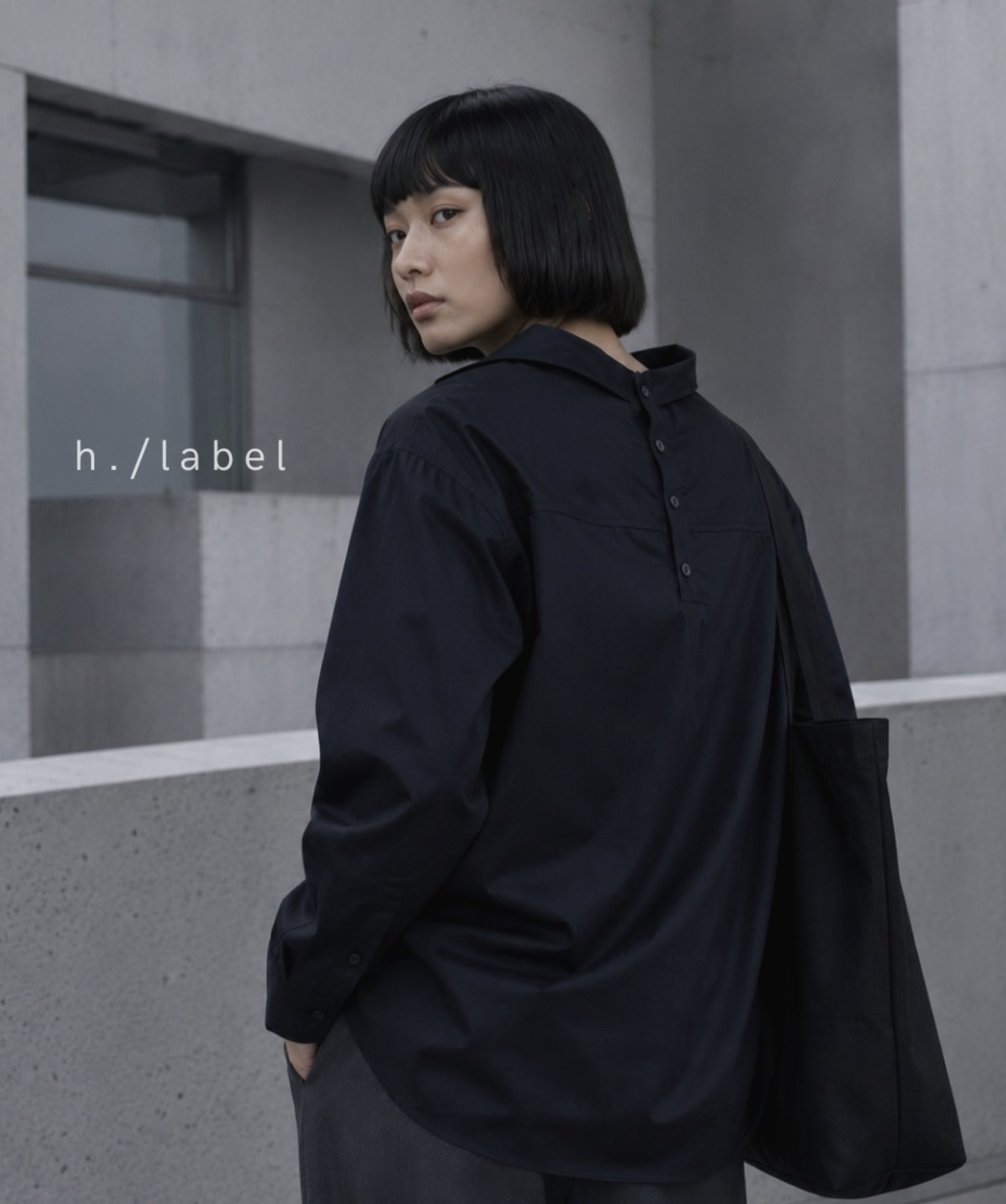
Consider a shirt with buttons running down the back rather than the front. Viewed on a hanger, the placement might seem unusual, perhaps even unnecessary. The front appears restrained, while the back carries the more distinctive feature.
On a person, however, the relationship between those two sides becomes clearer. The detail contributes to the overall character of the garment, changing the way it is perceived as the wearer moves through a space.
A similar thing happens with a pronounced seam, an unexpected fastening or a strap-like accent. These elements can look disconnected when viewed alone, but become part of a coherent composition when seen in relation to the garment's silhouette.
This does not mean that every detail has a hidden function or that unusual construction is automatically good design.
It means that a garment is more than a collection of individual features. Proportion, material, construction and placement work together. Sometimes, their relationship is easier to understand when the piece is actually worn.
The hanger gives us a view of the object. Wearing it gives us a better sense of the design.
The fitting room is where the conversation changes
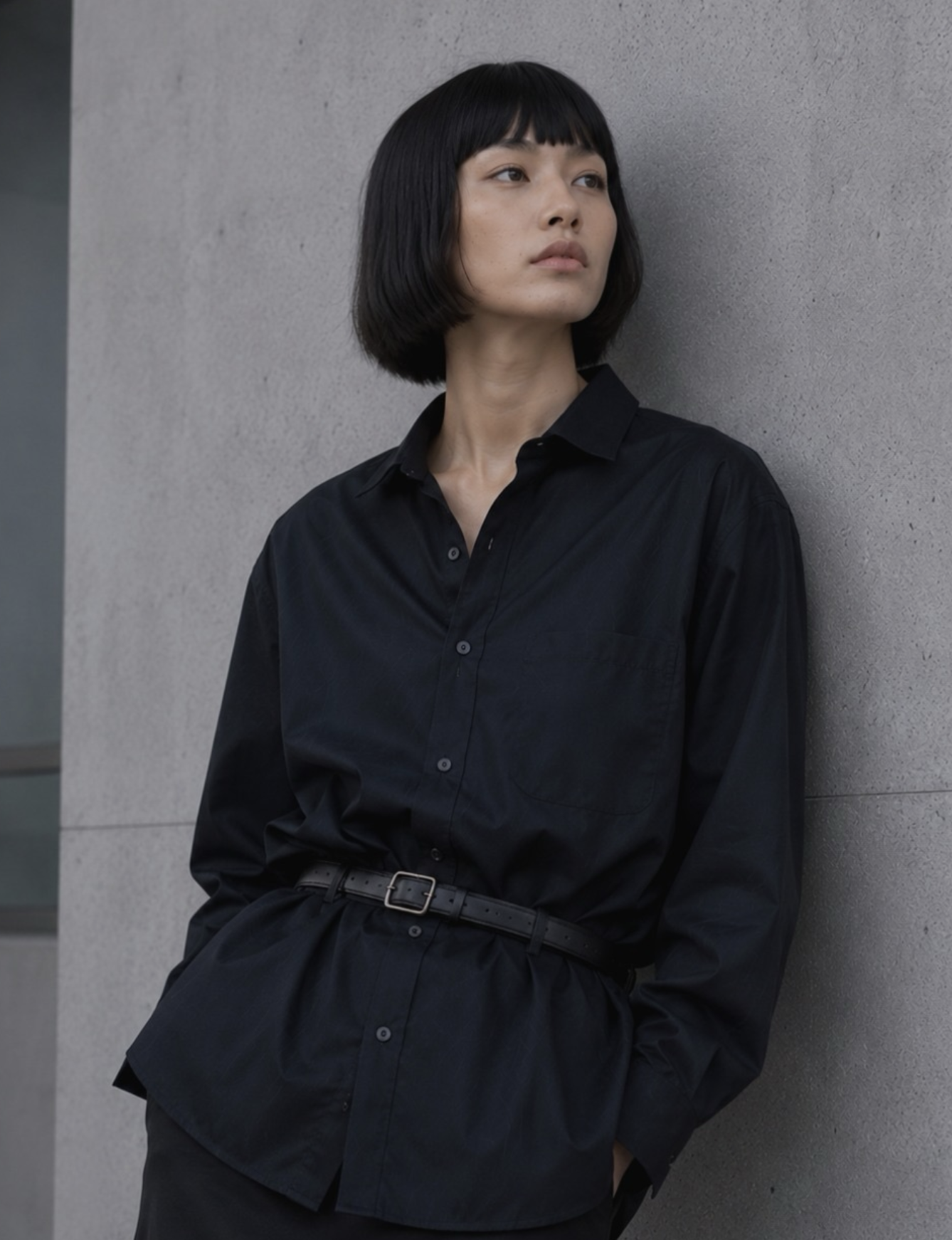
There is something revealing about watching someone try on a garment they initially dismissed.
The first reaction is often based on what they can immediately see. The second comes from experience: how the fabric feels, how the shape sits, whether they can move comfortably, and whether the piece works with the way they like to dress.
These are different kinds of information.
In our experience at h./label, this difference is particularly noticeable in the store. Some pieces that attract little attention while hanging can make a stronger impression once someone tries them on.
What interests me is not simply that the reaction changes. It is what that change tells us about the way we evaluate clothing.
We often make a decision based on the appearance of a garment before experiencing the garment itself. We judge the outline before understanding the proportions, and the visible details before seeing how they come together.
Trying something on interrupts that process.
It replaces an assumption with an experience.
And sometimes, that experience is enough to change our minds.
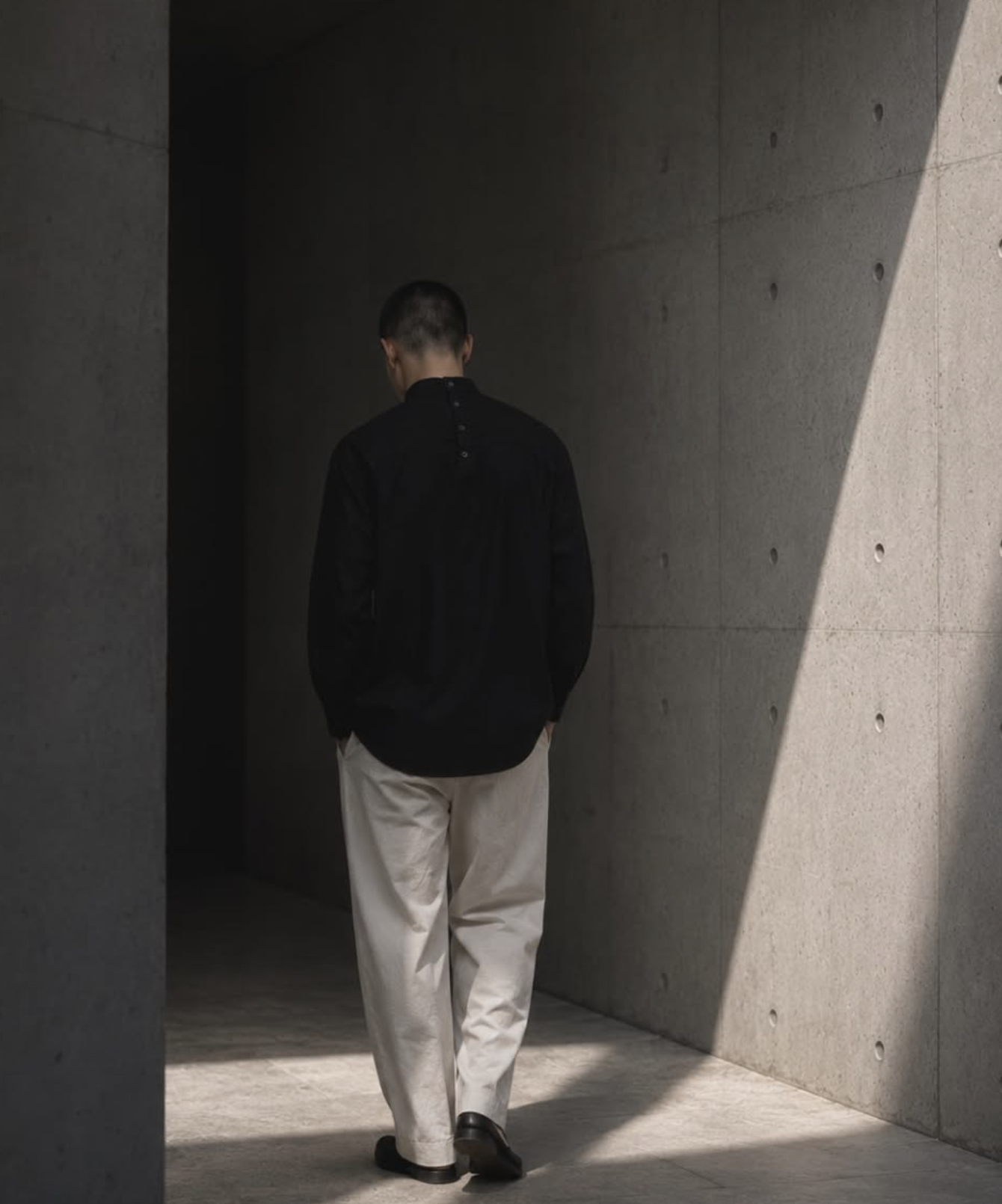
Not every garment needs to make sense at first glance
Fashion imagery tends to show clothing in its most immediately legible form. Styling, photography and composition help communicate a particular silhouette or mood.
But the experience of wearing clothing is less controlled.
A garment moves. Fabric shifts. Proportions change in relation to the body. A detail that seemed insignificant becomes noticeable, while something that initially caught our attention may matter less once we begin wearing the piece.
The way we understand clothing can change through that experience.
This is not an argument for buying things simply because they look different, or for ignoring our first instincts. Nor is it a suggestion that a garment only becomes successful when someone puts it on.
Rather, it is a reminder that looking and wearing are not the same activity.
A hanger can tell us whether we are immediately drawn to a garment. It cannot always tell us whether we will like wearing it.
And perhaps that distinction is worth remembering the next time something on a rail looks almost too ordinary to try.
Sometimes, the most interesting part of a garment is not what you see at first.
It is what you discover when you put it on.